
Expedition trek · 5 days / 4 nights
Vilcabamba Trek to Machu Picchu: 5 Days from the Last Inca Capital
By Miguel Angel Gongora Meza, co-founder and former Inca Trail porter · Updated November 2026
The Vilcabamba trek is a hard 5-day, about 62 km expedition from Huancacalle, near Vitcos, the last Inca refuge, over passes of about 4,500 m below the glaciers of Pumasillo, down through cloud forest to Aguas Calientes and Machu Picchu. It is the wildest trek we run, and no Inca Trail permit is needed.
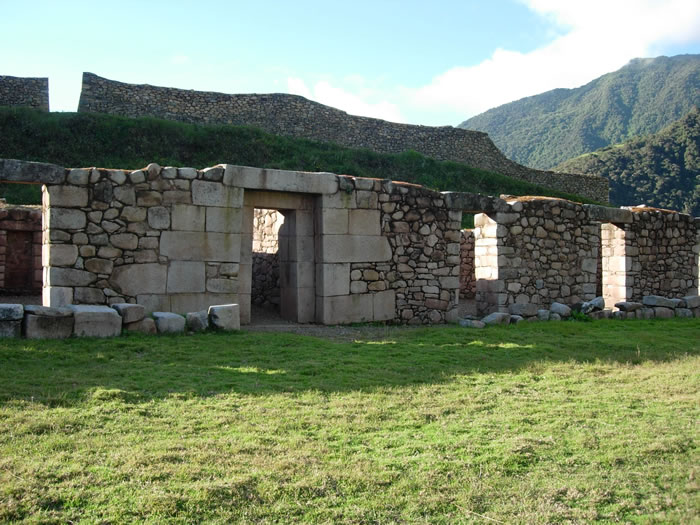
This is the land where the last Incas held out against the Spanish for almost 40 years. You visit the palace of Vitcos (Rosaspata) and the sacred white rock of Ñusta Hispana, then walk for three days on old Inca paths where you rarely meet anyone but herders.
Quick facts
Price per person
From $900
Guide, cook, horsemen and mules, meals, Machu Picchu ticket, buses, train and hotel included.
2027 dates are open. No Inca Trail permit is needed, so you can book at short notice.
Check availability on WhatsAppAsk Miguel about your dates
Book now with a $300 deposit
A $300 deposit secures your place; pay the balance by card at least 30 days before, or in cash in Cusco at least 2 days before.

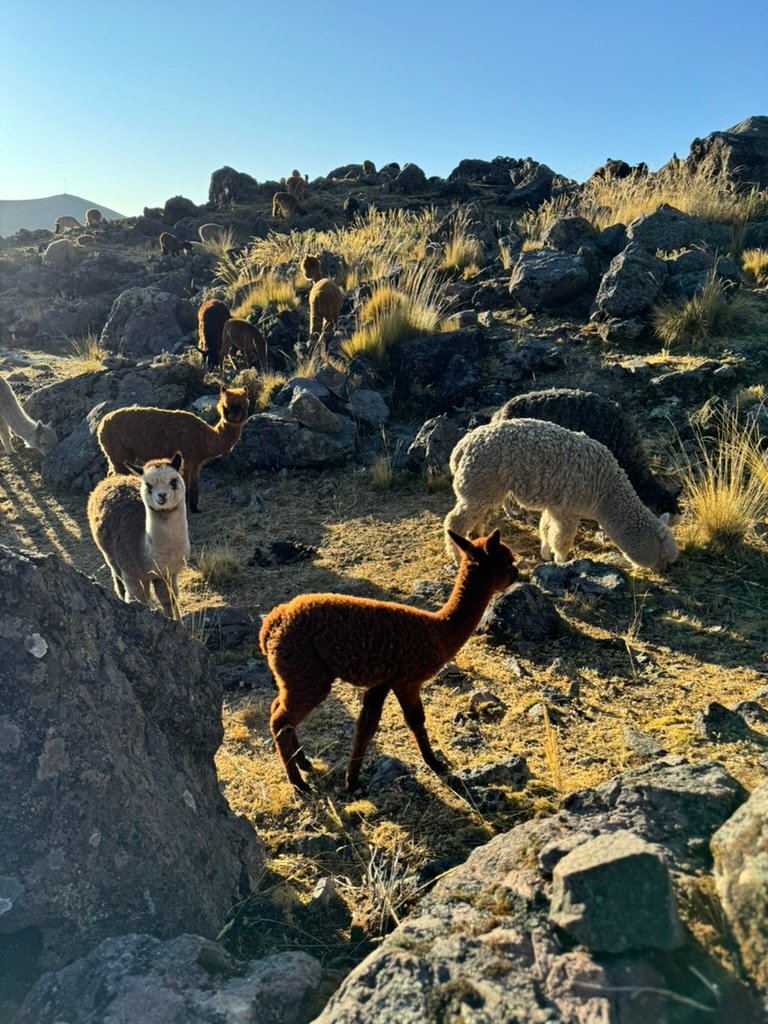
The Vilcabamba range: three days with hardly another hiker

Travel & Hospitality Award Winner 2024
As featured on






What our guests say




Is the Vilcabamba trek right for you?
Choose Vilcabamba if you are a fit, experienced hiker who wants a real expedition and Inca history without a permit; choose one of our Short Inca Trail treks if you want the Sun Gate.
| Vilcabamba trek (this page) | Salkantay + Inca Trail combo | Ancascocha trek | |
|---|---|---|---|
| Days | 5 | 5 | 5 |
| Highest point | ~4,500 m, several passes | ~5,100 m | 4,650 m |
| Difficulty | Hard | Challenging | Challenging |
| Inca Trail permit | Not needed | Short Inca Trail | Short Inca Trail |
| Arrive at Machu Picchu | By bus from Aguas Calientes | On foot, through the Sun Gate | On foot, through the Sun Gate |
| Best for | Inca history and true wilderness | Glaciers and the Frozen Inca Pass | Lakes and quiet high passes |
How much does the Vilcabamba trek cost?
From $900 per person for 6 to 8 hikers, $1,100 for 4 to 5 and $1,300 for 2 to 3; the long drive, horses and crew are shared by fewer people in smaller groups.
| Group size | Price per person |
|---|---|
| 6 to 8 people | $900 |
| 4 to 5 people | $1,100 |
| 2 to 3 people | $1,300 |
| Solo traveller | Ask us |
Every Vilcabamba departure runs for your own group only, so you set the date and the pace.
What happens on each day of the Vilcabamba trek?
Day 1 is the drive to Huancacalle and the Inca sites of Vitcos and Ñusta Hispana, day 2 climbs an Inca road to a 4,500 m pass, day 3 crosses three passes below Pumasillo, day 4 descends to Aguas Calientes, and day 5 is Machu Picchu.
| Day | Route | Distance | Altitude | Overnight |
|---|---|---|---|---|
| 1 | Cusco to Huancacalle, Vitcos (Rosaspata) and Ñusta Hispana | About 5 km of walking, 6.5-hour drive | 2,950 m up to 3,300 m | Camp at Pillaupata |
| 2 | Inca road to a pass of about 4,500 m, down to Rakachaka | About 16 km, 8 hours | Up to about 4,500 m, down to 3,600 m | Camp at Rakachaka, 3,600 m |
| 3 | Three passes below Pumasillo, including the Mojón pass, down to Mutuypata | About 20 km, 9 to 10 hours | Passes of about 4,500 m, down to 3,200 m | Camp at Mutuypata, 3,200 m |
| 4 | Down through cloud forest, drive to Hidroeléctrica, walk to Aguas Calientes | About 21 km, 7 to 8 hours | 3,200 m down to 2,040 m | Hotel in Aguas Calientes |
| 5 | Guided tour of Machu Picchu, train and transfer to Cusco | Walking tour, 2 to 3 hours | 2,430 m | Back in Cusco about 7:30 pm |
Day 1 · The last Inca capital
Pickup at 4:30 to 5:00 am and one of the most beautiful drives in Cusco, over the Abra Málaga pass and down through cloud forest to Huancacalle (2,950 m). In the afternoon we visit Vitcos (Rosaspata), palace of the last Incas, and Ñusta Hispana, the great carved white rock, then camp at Pillaupata.
Day 2 · On the Inca road
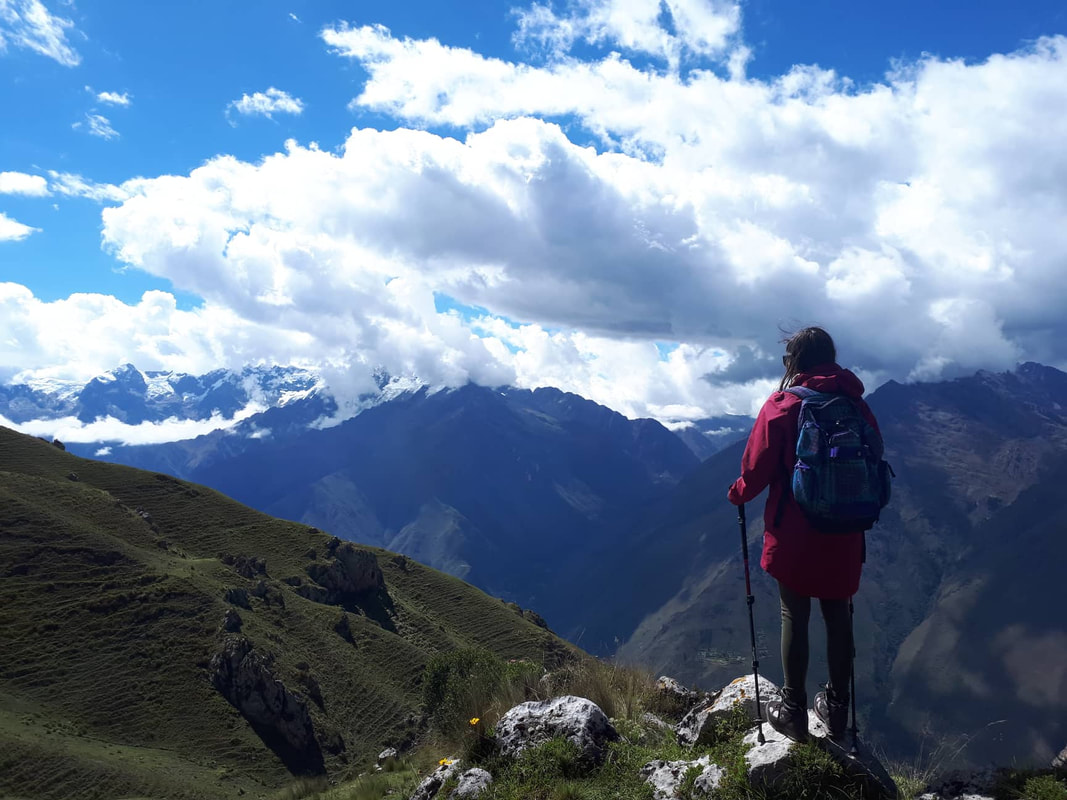
A long climb on an original Inca road to a pass of about 4,500 m, with wide views of the Vilcabamba range and a good chance of condors and vizcachas. We stop to meet local families, then walk down to camp at Rakachaka (3,600 m).
Day 3 · Below Pumasillo
The hardest day: three passes of about 4,500 m right beside the glaciers of Pumasillo (about 6,070 m) and Sacsarayoc. From the Mojón pass you look across towards the Machu Picchu mountains. Then about 4 hours down into the cloud forest to camp at Mutuypata (3,200 m). We recommend hiring a horse from the villagers for this day.
Day 4 · Into the cloud forest
About 4 hours downhill through green forest and coffee farms, a 2-hour drive past Santa Teresa to Hidroeléctrica, then about 3 hours walking along the river and railway to Aguas Calientes. A hot shower, a hotel bed and, if you like, the hot springs.
Day 5 · Machu Picchu
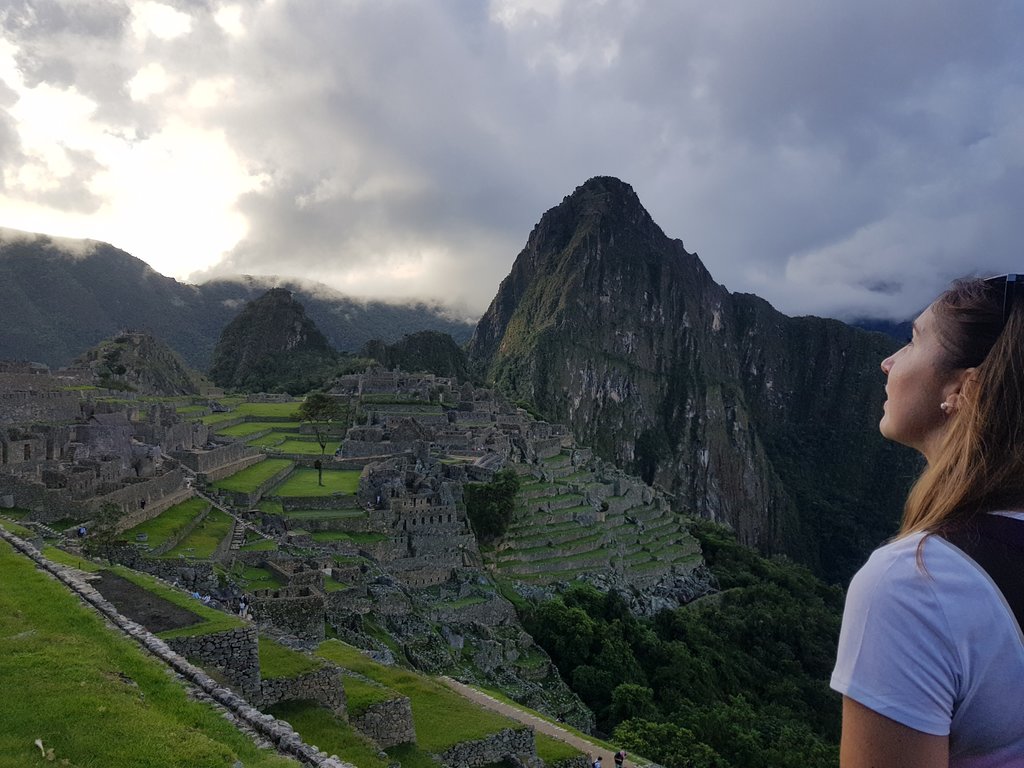
An early bus back up for your guided tour inside the citadel. With tickets booked in advance, you can add Huayna Picchu or Machu Picchu Mountain. The train back usually leaves around 2:55 pm, then our transfer takes you to your hotel in Cusco, arriving about 7:30 pm.
How high does the Vilcabamba trek go?
You start at 2,950 m in Huancacalle, cross passes of about 4,500 m on days 2 and 3, and drop to 2,040 m in Aguas Calientes on day 4.
Approximate profile. Day 4 includes a 2-hour drive to Hidroeléctrica before the final walk to Aguas Calientes.
Walk the trek before you go
Swipe through each day.

When can you do the Vilcabamba trek in 2027?
The trek runs from March to December; it does not run in January and February, the wettest months. May to September is the dry season, with clear views of the glaciers and cold nights; March, April, October and November are greener with some rain.
No Inca Trail permit is needed, only a Machu Picchu ticket, so you can book a few weeks ahead outside June to August.
No Inca Trail permit? No problem
Vilcabamba needs no Inca Trail permit, only a Machu Picchu ticket, so it is a great choice when every permit is sold out, as long as you are a fit and experienced hiker.
What is included?
Included
- Hotel pickup and transport to Huancacalle, and from the end of the trail to Hidroeléctrica
- Bilingual guide (English and Spanish)
- Cook and kitchen crew
- Horsemen and mules to carry the camping and cooking equipment
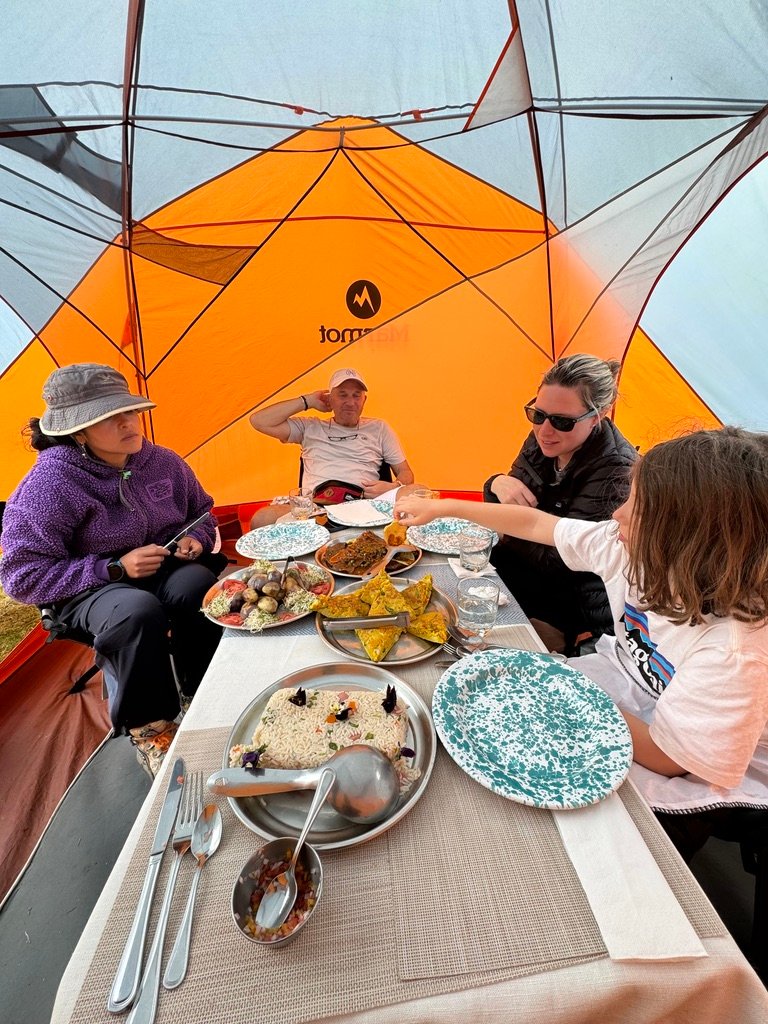
- 4 breakfasts, 4 lunches, 3 dinners and afternoon snacks
- Entrance to Vitcos and Ñusta Hispana
- 2-person tents, inflatable sleeping mats, dining tent with tables and chairs
- Boiled drinking water from day 1 lunch to the end of the trek
- Machu Picchu entrance ticket
- Bus tickets between Aguas Calientes and Machu Picchu
- 1 night in a hotel in Aguas Calientes
- Train from Aguas Calientes to Ollantaytambo, then transfer to your hotel in Cusco
- Oxygen bottle, pulse oximeter, Garmin satellite device, two-way radios and first aid kit
- Pre-trek briefing, free luggage storage and free delivery of your bags to your hotel
- Vegetarian and special diets on request, at no extra cost
Not included
- Breakfast on day 1
- Dinner on day 4 and lunch on day 5 in Aguas Calientes
- Sleeping bag
- Tips for the crew
- Hot springs in Aguas Calientes
- Travel insurance (highly recommended)
Optional: rentals and extras
- Sleeping bag (Kelty synthetic, comfort 20°F / -7°C): $60
- Walking sticks (Kelty), per pair: $25
- Inflatable sleeping pad (Therm-a-Rest Pro Lite Plus): $50
- Camping pillow (Therm-a-Rest): $25
- Trekking Comfort Package, all 4 items above: $120
- Extra horse for your own things: ask us when you book
- Single tent supplement: $65
- Huayna Picchu or Machu Picchu Mountain ticket: $90 (subject to availability)
Our horsemen and mules carry the camp and kitchen. You carry your daypack; an extra horse for your own things, or a riding horse for day 3, can be hired from local families.

What should you pack?
Pack for an expedition: freezing nights on days 2 and 3, glacier wind on the passes, then warm, humid cloud forest with mosquitoes on day 4. You carry your daypack unless you hire a horse.
Daypack (you carry it every day)
- Original passport, valid 6 months or more
- Water bottle or bladder, at least 2 litres
- Rain jacket and a warm layer you can reach quickly
- Sun hat, warm beanie, gloves, sunglasses, SPF 50+ sunscreen and lip balm
- Headlamp, snacks, toilet paper and hand sanitiser
- Small Peruvian soles for tips, toilets and snacks; personal medication
Clothing and footwear
- Down jacket and thermal base layers for the cold nights
- Fleece, 2 to 3 quick-dry T-shirts, 1 to 2 long-sleeve shirts
- 2 to 3 pairs of trekking pants and 4 to 5 pairs of hiking socks
- Broken-in waterproof hiking boots, plus camp sandals
- Shorts and insect repellent for the cloud forest
- Swimsuit for the hot springs
Sleeping
- A sleeping bag rated to -7 °C (20 °F) or lower; we rent one for $60
- Earplugs and an eye mask
Toiletries and first aid
- Toothbrush, quick-dry towel, wet wipes, biodegradable soap
- Insect repellent for the lower valleys
- Blister kit, pain relief, anti-diarrhoea tablets, rehydration salts
- Altitude medication only if your doctor prescribes it
Why do we cost more than other Vilcabamba operators?
Our price pays for fair, safe work for every porter and horseman, and a small group for you; here is exactly where the difference goes.
Equal, fair pay
Every porter, woman or man, earns the same, and horsemen are paid for every animal and every day.
Ethical loads
Lightweight modern gear and ergonomic framed packs, so no load goes over an ethical 20 kg.
A real night's rest for the crew
Our crew gets their own tents, sleeping bags and meals, not a tarp on the ground.
Small groups
Never more than 8 hikers per group, so the pace and attention fit you.
Safety on every trek
Emergency oxygen, a pulse oximeter, a Garmin satellite device, two-way radios and a crew trained in wilderness first aid.
Real wilderness
Three days on paths where you rarely meet anyone but herders and their animals.
How booking and the trek logistics work
A $300 deposit secures your place and Machu Picchu ticket, the balance is due by card 30 days before the trek (or in cash in Cusco 2 days before), and we handle the long drive, the briefing, train and buses.
| Step | How it works |
|---|---|
| When to book | 1 to 3 months ahead; earlier for June to August |
| Before you arrive | Spend at least 2 days in Cusco or the Sacred Valley to acclimatise. See our training plan. |
| Deposit | $300 per person, non-refundable |
| Balance | By card at least 30 days before the trek, or in cash at our Cusco office at least 2 days before |
| Cancellation | See our Terms and Conditions. Travel insurance is highly recommended. |
| Pre-trek briefing | At your hotel when you arrive, or at 5:00 pm the day before in Cusco |
| Pickup on day 1 | 4:30 to 5:00 am from your hotel in Cusco, or 7:00 to 8:00 am from the Sacred Valley |
| Luggage | Free storage of your luggage while you hike, and free delivery of your bags to your hotel |
| Return to Cusco | Train from Aguas Calientes to Ollantaytambo (usually around 2:55 pm), then transfer to your hotel; back about 7:30 pm |
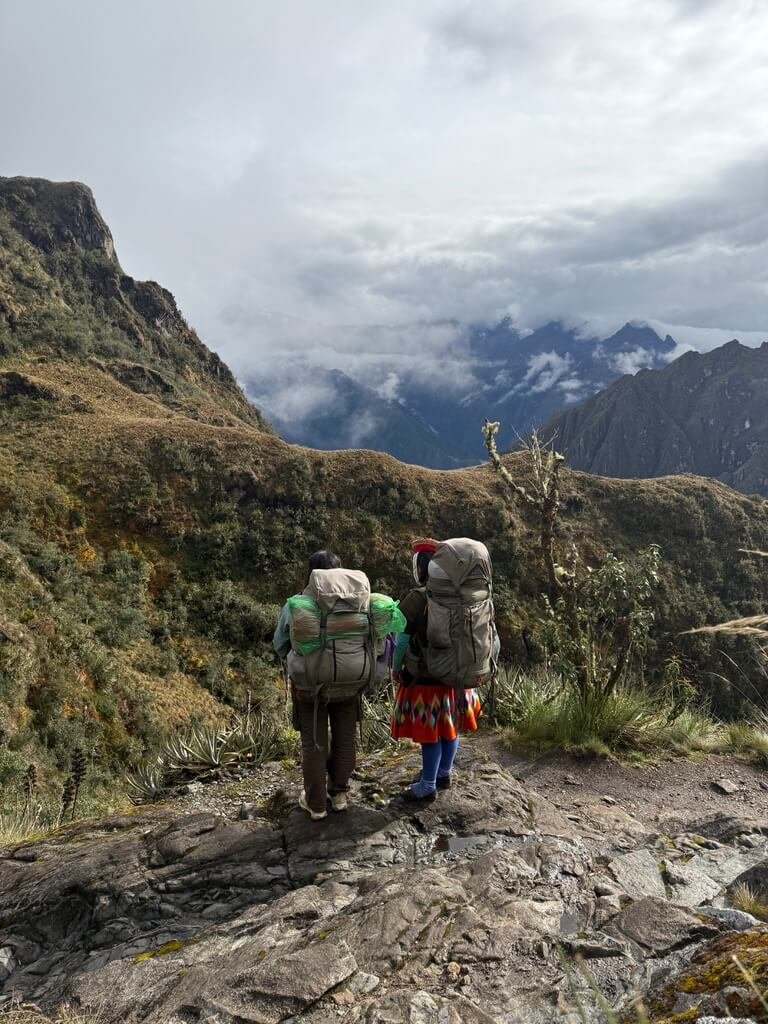
Who carries the camp, and how are they treated?
Local horsemen and mules carry the camp and kitchen, and our crew works at fair pay with their own tents, sleeping bags and meals.
I started on these trails as a porter in 1996. In 2017 we became the first company to hire women porters on the Inca Trail, and the same rules apply on every trek we run: fair pay, light loads, a real night's rest.
Read about our Porter Lives Matter campaignOur 3 guarantees
Fair crew
Equal pay, ethical loads, their own tents and meals. Ask us anything about it.
Small groups
Never more than 8 hikers per group.
Honest advice
Vilcabamba is hard. If it is not right for you, we will tell you before you book and suggest a better trek.
How do we keep you safe?
Every trek carries oxygen, a pulse oximeter, a Garmin satellite device and two-way radios, and we check you for altitude sickness every day.
First aid kit
Emergency oxygen bottle
Pulse oximeter checks morning and evening
Garmin satellite device and two-way radios
Emergency horse on the mountain days
How sustainable is this trek?
Fair pay comes first, and we run single-use-plastic-free treks with sorted waste.
Equal pay for women and men
Local horsemen from the Vilcabamba communities
Single-use plastic free
Waste separated into organic and inorganic and carried out
Questions about your dates? Ask Miguel
Tell us your dates and your group size, and we reply on WhatsApp or email.
Get the full 2027 itinerary (PDF)
Day by day, packing list and prices, sent to you on WhatsApp.
Questions about the Vilcabamba trek
What is the Vilcabamba trek?
It is a 5-day, about 62 km trek from Huancacalle, near the Inca sites of Vitcos and Ñusta Hispana, over several passes of about 4,500 m in the Vilcabamba range, down to Aguas Calientes and Machu Picchu.
Why is Vilcabamba important in Inca history?
After the Spanish took Cusco, the Incas resisted from Vilcabamba for almost 40 years, until 1572. Vitcos was one of their palaces, and Ñusta Hispana was one of their most sacred shrines.
How hard is the Vilcabamba trek?
Hard: long days, several passes of about 4,500 m and a remote route far from roads. It is for fit hikers with some multi-day experience. We recommend hiring a horse for day 3.
Do I need an Inca Trail permit?
No. You only need a Machu Picchu ticket, which is included, so you can book at shorter notice than the Inca Trail.
How much does the Vilcabamba trek cost?
From $900 per person for 6 to 8 hikers, $1,100 for 4 to 5 and $1,300 for 2 to 3. Ask us for a solo price.
Do we walk into Machu Picchu?
No, you reach Aguas Calientes on foot on day 4 and take the bus up to Machu Picchu on day 5. To walk in through the Sun Gate, choose one of our Short Inca Trail treks.
Where do we sleep?
Three nights in tents (Pillaupata, Rakachaka and Mutuypata) and one night in a hotel in Aguas Calientes.
When is the best time to go?
May to September, the dry season. The trek runs from March to December and does not run in January and February.
Who carries my things?
Horsemen and mules carry the camp and kitchen; you carry your daypack. An extra horse for your things can be hired locally.
Other ways to walk to Machu Picchu
The classic route over Dead Woman's Pass. Group from $990.
5 days over the Frozen Inca Pass to the Sun Gate. From $1,100.
Remote passes, turquoise lakes and a Sun Gate finish.
The Inca quarry above Ollantaytambo, then the Short Inca Trail.