
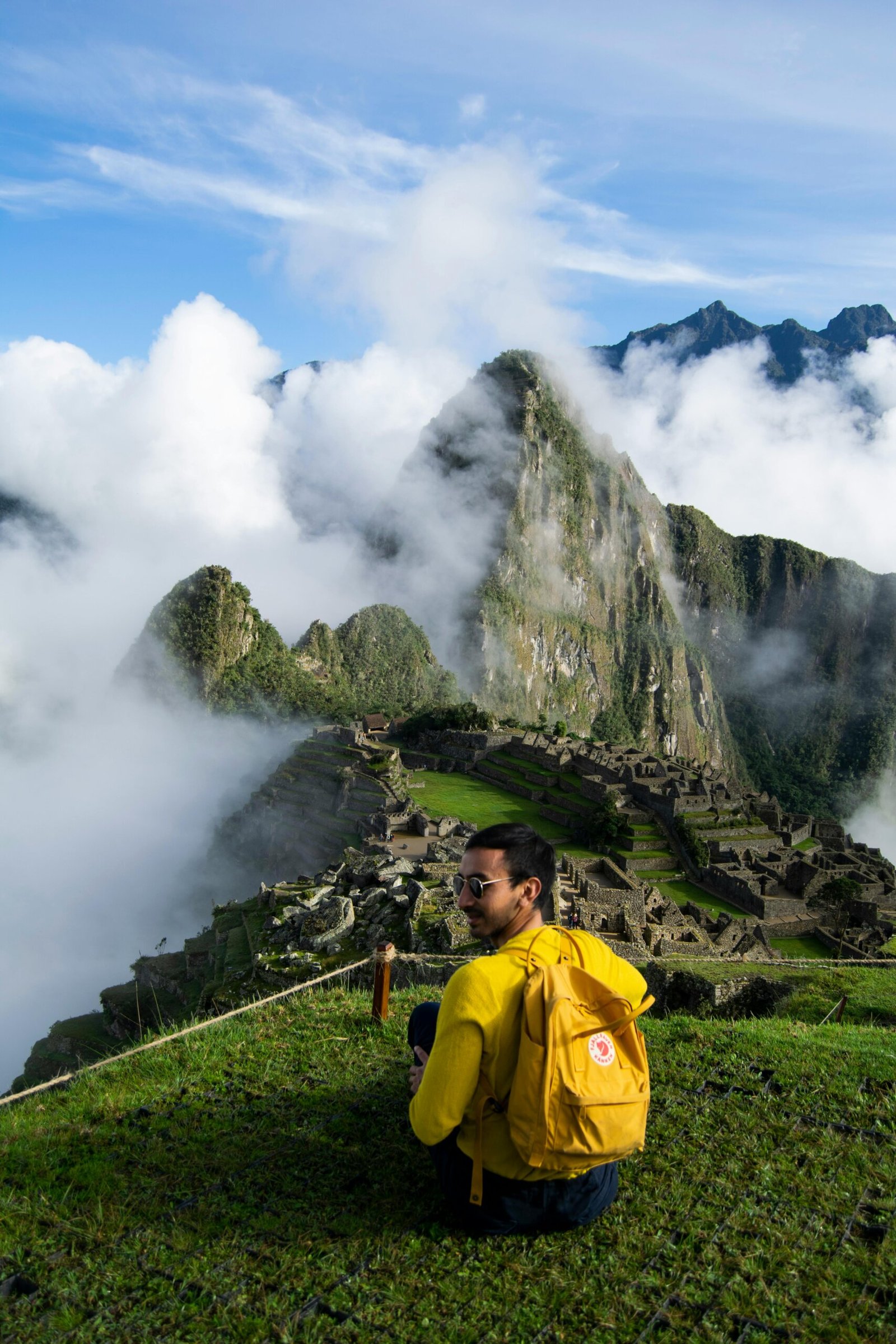

Inca Trail Weather highlights the dry season months of May to September, providing safer footing, clearer views, and more predictable conditions. The rainy season (November to March) introduces factors (flooding, landslides, and reduced visibility). The dry season (May to September) and the rainy season, with April and October serving as transitional periods. The climate varies by altitude, as lower valleys experience warmer and more humid conditions while higher passes (Dead Woman’s Pass) present colder and windier environments.
Skies remain clear during the dry season, rainfall is minimal, and daytime temperatures range between 18°C and 22°C, creating stable trekking conditions. Nights at high altitude drop close to freezing, which requires preparation for cold exposure. Rainy season months bring heavy showers, muddy paths, and frequent cloud cover, with daytime temperatures averaging near 20°C but accompanied by high humidity. Nights remain cold, and the presence of rain increases discomfort and risk along the trail. Understanding the Inca Trail weather by month provides clarity for planning.
Inca Trail Weather Forecast
60-Day Weather Outlook for Machu Picchu Trek
89%
18 km/h
50%
91%
25 km/h
85%
83%
20 km/h
50%
86%
27 km/h
70%
74%
21 km/h
70%
95%
20 km/h
70%
77%
15 km/h
85%
81%
26 km/h
80%
73%
21 km/h
70%
90%
35 km/h
80%
80%
24 km/h
72%
80%
24 km/h
72%
80%
24 km/h
72%
80%
24 km/h
72%
80%
24 km/h
72%
80%
24 km/h
72%
80%
24 km/h
72%
80%
24 km/h
72%
80%
24 km/h
72%
80%
24 km/h
72%
80%
24 km/h
72%
80%
24 km/h
72%
80%
24 km/h
72%
80%
24 km/h
72%
80%
24 km/h
72%
80%
24 km/h
72%
80%
24 km/h
72%
80%
24 km/h
72%
80%
24 km/h
72%
80%
24 km/h
72%
80%
24 km/h
72%
80%
24 km/h
72%
December 2024
January 2025
Weather Guide
Sunny – Ideal for trekking with dry paths and clear views
Partly Cloudy – Comfortable conditions with mild
temperatures
Cloudy – Reduced visibility, cooler air
Rainy – Wet trails, high humidity, lush vegetation
Stormy – Challenging conditions, strong winds, trail caution
advised
Windy – Strong gusts at high elevation, secure gear
recommended
How does the Climate Change on the Inca Trail throughout the Year?
The climate change on the Inca Trail throughout the year stretches across altitudes ranging from 2,600 meters to 4,200 meters, creating different microclimates along the route. The rainy season dominates from October through April, bringing heavy showers, muddy paths, and vibrant vegetation. The dry season runs from May through September, offering clear skies, firm trails, and colder nights. Daytime temperatures along the trail average between 18°C and 22°C, while nighttime lows range from -1°C to 7°C depending on the month. Rainfall peaks in January and February, with totals exceeding 145 mm to 155 mm, while June and July record minimal precipitation at around 20 mm. The dry season provides excellent visibility and stable conditions, while the rainy season delivers lush scenery but requires waterproof gear.
Annual Climate Patterns
High Temperature (°C)
Low Temperature (°C)
Rainfall (mm)
Photography gains quality when lighting conditions are anticipated, with misty mornings offering dramatic scenery and bright afternoons producing sharp images. Trekking speed is influenced by weather, since heavy rain slows movement and dry terrain supports faster pacing. Campsite conditions depend on climate, with dry ground supporting restful sleep and saturated soil creating discomfort. Knowledge of weather patterns ensures safer journeys, more comfortable experiences, and better opportunities for memorable photographs.
Weather affects hiking conditions on the Inca Trail by shaping safety, comfort, and pace throughout the journey. Rain increases danger by creating slippery stones and muddy paths that slow progress and raise accident risk. Wind affects balance by pushing against hikers on exposed ridges and through mountain passes, making footing less secure. Sun impacts endurance by raising temperatures during midday, leading to fatigue and dehydration that reduce trekking speed. Safety is shaped in the Inca Trail through the combination of the factors (rain, wind, and sun), as rain alters ground stability, wind challenges movement, and sun strains physical strength.
Clothing layers (thermal jackets, insulated pants, and gloves) become necessary in preserving body heat. Sleeping equipment (down-filled bags and insulated mats provides critical protection against ground chill, preventing loss of warmth through contact with frozen soil. Cold weather influences morale as well, since prolonged exposure to freezing conditions creates psychological strain and reduces motivation. The combination of physical discomfort, reduced energy recovery, and increased gear requirements demonstrates how cold nights shape the character of camping along the Inca Trail.
Weather influences the clothing and gear that are needed on the Inca Trail by determining the level of protection required against rain, sun, and cold temperatures. Rain demands waterproof jackets, durable ponchos, and sturdy boots with a strong grip to prevent slipping on wet stones. Cold nights at high altitudes require insulated sleeping bags, thermal layers, and gloves to preserve warmth and allow rest in freezing conditions. Strong sun during hikes requires breathable fabrics, wide-brimmed hats, and sunglasses to reduce heat and glare. Windy ridges need wind-resistant jackets and secure gear for balance and comfort. Seasonal changes influence preparation. Dry months need lighter, sun-protective clothing, while wet months call for waterproof layers and drainage footwear. Each weather element imposes unique requirements, and together, rain, cold, sun, and wind influence the complete selection of clothing and gear needed for safety and comfort during outdoor activities.
Things you should pack based on the Inca Trail weather are listed below.
- Dry Weather: Dry conditions on the Inca Trail feature strong sun exposure and cool mornings. Packing requires lightweight long-sleeve shirts, breathable hiking pants, a sun hat, UV sunglasses, high-SPF sunscreen, lip balm, and layered insulation for early starts.
- Rainy Weather: Rainy conditions bring heavy rainfall and muddy trail surfaces. A waterproof jacket, rain pants, poncho, backpack rain cover, quick-dry clothing, waterproof hiking boots, extra socks, and dry bags for electronics are required.
- Cold Weather: Cold temperatures appear at night and in high elevations. Packing must include thermal base layers, an insulated jacket, a fleece midlayer, gloves, a beanie, a cold-rated sleeping bag, and thick hiking boots socks.
- Mild Weather: Mild conditions combine moderate daytime temperatures with cooler evenings. Pack light layers, breathable shirts, convertible hiking pants, lightweight insulation, and a compact rain shell for temperature shifts.
- Humid Weather: Humid conditions increase moisture buildup and discomfort. Moisture-wicking base layers, quick-dry underwear, breathable footwear, anti-chafe products, and additional socks to maintain foot dryness are necessary for hikers’ Inca Trail packing list.
- Windy Weather: Wind exposure occurs at open passes and ridgelines. Packing requires wind-resistant outer layers, an insulated shell, a neck gaiter, a secure hat, and gloves to reduce heat loss.
- Variable Weather: Rapid weather changes define mountain trekking days. A flexible layering system, a waterproof shell, removable insulation, versatile footwear, and compact accessories supporting quick adjustments are needed.
What to Pack for Dry Weather?
Lightweight Long-Sleeve Shirt
Why Essential?
Protects skin from intense sun exposure while allowing airflow during dry, high-altitude hikes. Prevents sunburn and reduces sweat buildup across open terrain.
Wide-Brimmed Hat
Why Essential?
Shields the face, neck, and ears from direct sunlight during long stretches without shade. Reduces UV exposure and lowers the risk of heat-related fatigue.
UV-Protection Sunglasses
Why Essential?
Blocks harmful rays and reduces glare from reflective surfaces (rocks and dry soil). Preserves eye comfort and prevents strain during extended daylight hours.
SPF 50+ Sunscreen
Why Essential?
Guards against the high-altitude sun that causes rapid skin damage. A water-resistant formula remains effective through sweat and requires regular reapplication.
Breathable Hiking Pants
Why Essential?
Allows ventilation while protecting legs from dust, dry brush, and sun exposure. Maintains comfort during long climbs and prevents overheating.
Hydration Pack or Water Bottles
Why Essential?
Supports fluid intake during dry conditions where sweat loss increases. Easy access to water helps maintain energy and reduces the risk of dehydration.
Lip Balm with SPF
Why Essential?
Prevents chapping and sunburn on lips caused by dry air and strong UV rays. Maintains comfort and protects against cracking during multi-day treks.
Dust-Proof Neck Gaiter or Bandana
Why Essential?
Covers the nose and mouth during windy, dry stretches where dust becomes airborne. Reduces irritation and supports breathing across exposed ridges.
Moisture-Wicking Socks
Why Essential?
Keeps feet dry and prevents blisters during long hikes in warm, dry weather. Maintains comfort and reduces friction inside boots.
Lightweight Gloves
Why Essential?
Protects hands from sun exposure and dry air while handling trekking poles or gear. Prevents skin dryness and improves grip during climbs.
Waterproof Jacket
Why Essential?
Keeps the body dry during heavy showers and prevents discomfort from prolonged exposure to rain. Essential for maintaining warmth and mobility on slippery mountain paths.
Rain Poncho
Why Essential?
Covers the hiker and backpack, protecting gear from water damage. Lightweight design allows easy use during sudden downpours.
Waterproof Hiking Boots
Why Essential?
Shields feet from mud and puddles while providing a strong grip on wet stones. Prevents blisters and maintains stability across steep terrain.
Quick-Dry Clothing
Why Essential?
Reduces moisture retention after rain and allows faster drying during breaks. Lightweight fabrics prevent chills caused by damp conditions.
Rain Cover for Backpack
Why Essential?
Protects belongings from saturation during extended rainfall. Keeps clothing, sleeping gear, and food supplies dry throughout the trek.
Trekking Poles
Why Essential?
Provides balance on slippery slopes and uneven ground during wet conditions. Reduces strain on knees and improves stability in muddy sections.
Waterproof Gloves
Why Essential?
Keeps hands warm and dry while handling trekking poles or gear in the rain. Prevents numbness and discomfort during prolonged exposure.
Sealable Dry Bags
Why Essential?
Stores electronics, documents, and clothing safely inside the backpack. Prevents water damage and keeps essentials organized during wet weather.
Wide-Brimmed Hat with Waterproof Material
Why Essential?
Shields the face from rain while maintaining visibility. Prevents water from dripping into the eyes during long hikes.
Extra Pairs of Socks
Why Essential?
Provides dry replacements after walking through wet terrain. Maintains foot comfort and reduces the risk of blisters during multi-day trekking.
Insulated Sleeping Bag
Why Essential?
Provides warmth during freezing nights at high-altitude campsites. Prevents heat loss through contact with cold ground and ensures rest in harsh conditions.
Thermal Base Layers
Why Essential?
Regulates body temperature by trapping heat close to the skin. Lightweight design allows comfort during both daytime hikes and nighttime rest.
Down Jacket
Why Essential?
Offers strong insulation against cold air in exposed mountain passes. Compressible material makes it easy to pack while delivering reliable warmth.
Wool Socks
Why Essential?
Keeps feet warm and dry during cold nights and early mornings. Natural fibers reduce moisture buildup and prevent discomfort inside boots.
Warm Hat
Why Essential?
Protects the head from heat loss in freezing conditions. Coverage over the ears adds comfort and reduces the risk of frostbite.
Insulated Gloves
Why Essential?
Shields hands from cold air while maintaining dexterity for handling trekking poles and gear. Prevents numbness and discomfort during extended exposure.
Sleeping Pad
Why Essential?
Creates a barrier between the body and frozen soil. Improves insulation and increases comfort during overnight camping.
Neck Gaiter or Scarf
Why Essential?
Blocks cold wind from entering around the neck and face. Provides flexible coverage that adapts to varying temperatures.
Fleece Jacket
Why Essential?
Adds an extra layer of warmth during evenings and mornings. Soft material provides comfort while supporting insulation under outer layers.
Hot Water Bottle
Why Essential?
Placed inside the sleeping bag to provide additional warmth during freezing nights. Helps maintain body temperature and improves rest quality.
Lightweight Jacket
Why Essential?
Provides comfort during cooler mornings and evenings without adding bulk. Offers flexibility for layering when temperatures shift throughout the day.
Breathable Shirt
Why Essential?
Allows airflow to prevent overheating during moderate daytime hikes. Maintains comfort by reducing sweat buildup across varied terrain.
Convertible Hiking Pants
Why Essential?
Adapts to changing conditions by switching between full-length and shorts. Protects legs from brush while offering ventilation when the trail warms.
Comfortable Hiking Boots
Why Essential?
Supports steady footing across mixed terrain in mild conditions. Prevents strain during long treks while keeping feet protected from uneven ground.
Sun Hat
Why Essential?
Shields the face and neck from moderate sun exposure. Reduces glare and prevents discomfort during open stretches of the trail.
Light Gloves
Why Essential?
Adds warmth during cooler evenings without restricting movement. Useful for handling trekking poles or gear when temperatures drop slightly.
Hydration Bottle
Why Essential?
Ensures steady water intake during mild weather, where exertion still increases fluid loss. Easy access to hydration supports energy throughout the trek.
Moisture-Wicking Socks
Why Essential?
Keeps feet dry and comfortable during long hikes. Reduces friction and lowers the risk of blisters in moderate conditions.
Light Scarf or Neck Gaiter
Why Essential?
Provides protection against mild wind or dust along exposed ridges. Offers adaptable coverage without adding weight to gear.
Compact Rain Layer
Why Essential?
Prepares for unexpected showers during mild seasons. Lightweight design allows quick use without burdening the pack.
Moisture-Wicking Shirt
Why Essential?
Draws sweat away from the skin to prevent discomfort in humid conditions. Keeps the body cooler and reduces irritation during long hikes.
Quick-Dry Shorts or Pants
Why Essential?
Dries rapidly after exposure to sweat or light rain. Prevents chafing and maintains comfort in damp environments.
Light Rain Jacket
Why Essential?
Provides protection against sudden showers while remaining breathable. Prevents overheating while keeping the body dry in humid air.
Waterproof Backpack Liner
Why Essential?
Shields protect from moisture that builds up in humid climates. Keeps clothing and supplies dry when humidity saturates the air.
Anti-Chafing Balm
Why Essential?
Protects skin from friction caused by damp clothing. Reduces irritation and prevents rashes during extended trekking.
Ventilated Hiking Boots
Why Essential?
Allows airflow to reduce sweat buildup inside footwear. Prevents blisters and maintains comfort in humid terrain.
Extra Pairs of Socks
Why Essential?
Provides dry replacements when humidity causes dampness. Maintains foot health and reduces the risk of fungal infections.
Wide-Brimmed Hat
Why Essential?
Shields the face and neck from sun exposure while allowing ventilation. Reduces heat stress during humid daytime hikes.
Electrolyte Tablets or Powder
Why Essential?
Replaces minerals lost through heavy sweating in humid conditions. Supports hydration and maintains stamina during long climbs.
Insect Repellent
Why Essential?
Protects against mosquitoes and other insects that thrive in humid environments. Reduces the risk of bites and irritation during camping and hiking.
Wind-Resistant Jacket
Why Essential?
Provides protection against strong gusts along exposed ridges. Maintains warmth and prevents discomfort during long stretches of wind.
Secure Hat or Headband
Why Essential?
Shields the head from cold air while staying firmly in place. Prevents loss of gear and reduces distraction during hiking.
Protective Sunglasses
Why Essential?
Blocks dust and debris carried by wind. Reduces eye irritation and maintains clear vision across open terrain.
Neck Gaiter or Scarf
Why Essential?
Covers the neck and face against blowing dust and cold air. Adds flexible protection that adapts to shifting wind strength.
Gloves with Grip
Why Essential?
Keeps hands warm while maintaining control of trekking poles and gear. Prevents numbness and improves stability in exposed areas.
Sturdy Hiking Boots
Why Essential?
Provides a strong footing on uneven paths affected by wind. Reduces the risk of slipping when balance is challenged.
Backpack Straps and Clips
Why Essential?
Secures gear tightly to prevent shifting or loss during gusts. Maintains comfort and stability while moving through windy sections.
Layered Clothing
Why Essential?
Allows adjustment when the wind lowers temperatures unexpectedly. Preserves warmth without restricting movement during long treks.
Trekking Poles
Why Essential?
Supports balance when wind pressure disrupts the stride. Reduces strain on legs and improves safety across steep terrain.
Moisturizing Lip Balm
Why Essential?
Protects lips from dryness caused by constant wind exposure. Prevents cracking and discomfort during multi-day hiking.
Layered Clothing
Why Essential?
Provides flexibility for changing temperatures along the trail. Allows adjustment between warm daytime hikes and cold evenings at high altitude.
Convertible Pants
Why Essential?
Adapts to shifting conditions by functioning as both shorts and full-length trousers. Protects legs during cooler periods while offering ventilation in warmer stretches.
Light Rain Jacket
Why Essential?
Prepares for sudden showers without adding heavy weight to gear. Keeps the body dry while remaining breathable during mixed conditions.
Insulated Fleece
Why Essential?
Adds warmth during colder nights and mornings. Serves as a mid-layer that pairs well with outer shells in unpredictable weather.
Waterproof Backpack Cover
Why Essential?
Shields belongings from unexpected rain or mist. Maintains dryness of clothing, food, and sleeping gear during variable conditions.
Sun Hat
Why Essential?
Protects the face and neck from strong sunlight during clear skies. Reduces heat stress and glare during exposed sections of the trail.
Durable Hiking Boots
Why Essential?
Provides traction across wet, dry, and rocky terrain. Ensures stability when conditions shift between mud, dust, and stone paths.
Extra Socks
Why Essential?
Offers replacements when feet become wet or sweaty. Maintains comfort and reduces the risk of blisters during multi-day trekking.
Trekking Poles
Why Essential?
Supports balance across uneven ground affected by rain, wind, or sudden shifts in terrain. Reduces strain on knees during steep climbs and descents.
Hydration System
Why Essential?
Ensures steady water intake during hot stretches while remaining practical in cooler conditions. Maintains stamina and prevents dehydration across varying climates.
The best weather to hike the Inca Trail is during June and July, when rainfall is minimal, skies remain clear, and trail conditions are most stable. January and February bring heavy rain, causing muddy paths, swollen streams, and landslides. March’s showers leave lush vegetation and vibrant scenery. April’s drier weather offers firmer trails and clearer views. May starts the dry season, with crisp mornings and clear mountain passes. June provides the best balance of dry terrain, long days, and panoramic views, making it the ideal month for trekking. July has cold nights and clear skies revealing the Andes. August stays dry and draws more visitors due to holidays. September has fewer visitors, continued dry weather, and slightly warmer temperatures. October brings rain, softening trails and lowering visibility. November and December see heavier showers, obscuring scenery and making trekking harder schedules. The definitive best time to hike the Inca Trail is June or July, when conditions align to provide safety, comfort, and the most rewarding views of the landscape.
Safe weather conditions are important for booking the Inca Trail because they determine trail stability, visibility, and the safety of every stage of the journey. Dry season months from May to September provide firm paths, reduced risk of landslides, and clear skies that allow secure navigation across ridges and mountain passes. Clear conditions create reliable opportunities to view the Andes and Machu Picchu without obstruction from fog or heavy cloud cover. Moderate daytime temperatures during the dry season limit exhaustion, while cold nights remain manageable with proper equipment. Rainy season months from November to March increase hazards (slippery stones, swollen streams, and flooding) that disrupt trekking schedules and raise accident risks. January and February are dangerous due to frequent landslides and trail closures. Safe weather conditions are necessary for Inca Trail booking, as they guarantee security and the most rewarding experience of the trail’s natural and cultural landmarks.
To stay safe during weather on the trail, follow the ten steps below.
- Wear protective layers. Maintain warmth and shield the body from cold winds or sudden drops in temperature. Layering allows adjustment when conditions shift rapidly.
- Carry waterproof gear. Keep clothing, food, and equipment dry during heavy rainfall. Waterproof jackets and backpack covers prevent saturation and discomfort.
- Use trekking poles. Support balance on slippery or unstable terrain during storms or strong winds. Poles reduce strain on knees and improve stability across steep paths.
- Secure backpack straps. Prevent gear from shifting or falling during gusts of wind. Tight straps keep weight evenly distributed and reduce accidents.
- Stay hydrated. Replace fluids lost through exertion in extreme heat or humidity. Hydration systems ensure steady intake and maintain stamina.
- Protect skin with Sunscreen. Guard against intense UV rays during clear, high-altitude conditions. Regular application prevents burns and long-term damage.
- Cover the face with a neck gaiter. Block dust, wind, or cold air from entering the mouth and nose. Flexible coverage improves comfort and breathing in harsh conditions.
- Wear durable footwear. Provide traction on wet, rocky, or unstable ground. Strong soles and ankle support reduce the risk of slips and injuries.
- Carry extra socks. Replace damp or wet pairs to maintain foot health. Dry socks prevent blisters and discomfort during prolonged trekking.
- Use a headlamp. Maintain visibility during fog, rain, or low light. Reliable lighting ensures safe navigation across uneven terrain.
To prepare for the Inca Trail Weather before hiking, follow the three steps below.
- Monitor local forecasts. Accurate weather applications deliver data for the Andes mountains. Dry seasons occur between May and October. Rainy periods peak from November through April. Daily temperatures fluctuate significantly across different elevations.
- Select layered clothing. Moisture-wicking fabrics keep skin dry during physical activity. Insulating fleece jackets offer necessary warmth for chilly nights. Waterproof outer shells block heavy rain and strong winds. Sturdy footwear prevents slips on wet stone surfaces.
- Schedule altitude acclimatization. Resting in Cusco for three days helps the body adjust to high elevations. Hydration mitigates symptoms of altitude sickness. Gradual exposure to thin air increases physical endurance, as Inca Trail preparation is required.
You can adjust your hike if the Inca Trail weather turns bad by following the steps below.
- Seek natural cover. Rocky overhangs provide protection from lightning. Forest areas reduce exposure to biting winds. Valleys offer more shelter than high mountain passes.
- Reduce travel speed. Slower movements prevent falls on slick stones. Careful foot placement maintains stability on narrow paths. Deliberate pacing conserves body heat in freezing rain.
- Follow the guide instructions. Tour leaders provide important directions for navigating mudslides. Emergency protocols dictate the best course of action during blizzards. Safety remains the priority during an intense Inca Trail hike.
0 Comments