

The Inca Trail costs reflect a highly regulated trekking system rather than a simple hiking fee. Prices are shaped by government-issued permits, strict daily limits on hikers, mandatory use of licensed tour operators, and year-round maintenance of the trail and archaeological sites.
Costs are higher than most hikes because access to Machu Picchu via the Inca Trail is exclusive and tightly controlled. Fees cover official permits, conservation funding, porter and guide regulations, campsite management, and the unique privilege of entering Machu Picchu through the Sun Gate, which adds cultural and logistical value to the trek.
Hiking the Inca Trail requires payment because preservation and safety depend on controlled funding. Revenue supports trail upkeep, environmental protection, staff wages, emergency preparedness, and enforcement of regulations that prevent overcrowding and long-term damage to the route and surrounding heritage sites.
Inca Trail Packages
Inca Trail packages are guided trekking options designed to match different schedules, comfort levels, and travel styles while following the same government regulations for permits, guides, and trail access. Each package offers a distinct way to experience the route to Machu Picchu, with variations in duration, group size, services, and level of comfort.
-
The Inca Trail Packages are listed below.
- The Classic Inca Trail (4 Days / 3 Nights): The full historic route to Machu Picchu, covering all major archaeological sites and ending at the Sun Gate. The option provides the complete classic Inca Trail experience.
- The Short Inca Trail (2 Days / 1 Night): A condensed version of the trail that focuses on the final section and still enters Machu Picchu through the Sun Gate. The Short Inca Trail suits travelers with limited time.
- Luxury Inca Trail Packages: A premium version of the Classic route featuring smaller groups, upgraded camping equipment, and enhanced meal service. The Luxury Inca Trail emphasizes comfort without changing the route itself.
- Private Inca Trail Packages: A premium version of the Classic route featuring smaller groups, upgraded camping equipment, and enhanced meal service. The Private Inca Trail emphasizes comfort without changing the route itself.
- Government permits and trail access: Daily costs include the official Inca Trail permit, regulated campsite access, and conservation fees enforced by Peruvian authorities for hikers traveling the Inca Trail to Machu Picchu for $20 to $30 per day.
- Licensed guide services: Daily pricing covers professional guiding, route supervision, safety oversight, and historical interpretation along the trail for $25 to $40 per day.
- Porter services: Daily porter costs $30 to $60 per day for carrying group equipment (tents, food supplies, cooking gear), porter wages, insurance, and meals, while optional personal porter services increase daily expenses.
- Camping and trekking equipment: Daily equipment costs $15 to $30 per day include tents, sleeping mats, dining tents, tables, chairs, and cooking tools, along with cleaning, maintenance, and replacement.
- Meals and cooking services: Daily meal costs $20 to $40 over breakfast, lunch, dinner, trail snacks, purified drinking water, and professional trekking cook services.
Classic Inca Trail treks (4 days / 3 nights) cost $650 to $1,000. The cost to hike Machu Picchu covers the official Inca Trail permit, Machu Picchu entrance ticket, professional guide services, porter labor, meals, camping equipment, and transportation before and after the trek.
Short Inca Trail treks (2 days / 1 night) cost $450 to $700. The reduced duration lowers total days on the trail, while the Machu Picchu hike cost remains influenced by fixed expenses, including permits, guides, meals, and site entry.
Luxury and private Inca Trail treks cost $1,000 to $1,200 or more. The Machu Picchu trek cost reflects smaller group sizes, premium equipment, additional porter support, upgraded meals, and personalized guiding.
Expenses come from clothing, footwear, and optional gear rentals. Hiking boots, waterproof jackets, and thermal layers cost $100 to $250 if purchased, while rental items (sleeping bags, trekking poles, and sleeping pads) add about $40 to $80, with smaller items (headlamps, sunscreen, insect repellent, and basic first-aid supplies) adding $20 to $50 more.
The hidden costs of hiking the Inca Trail are listed below.
- Toilet usage fees: Small cash payments are required at trail checkpoints and rest areas to use restroom facilities.
- Extra snacks and drinks: Purchases of bottled water, soft drinks, or additional snacks beyond included meals.
- Charging device fees: Payments for access to charging stations at campsites or rest stops, when available, are not included when booking the Inca Trail.
- Hot shower access: Separate fees are charged for hot showers at certain camps or nearby facilities.
- Porter’s over-weight charges: Additional fees are applied when personal gear exceeds the allowed porter weight limit during the hike.
- Weather-related gear needs: Unexpected purchases or rentals of rain gear, warm layers, or gloves due to changing weather.
- Minor medical supplies: Costs for pain relievers, blister treatment, altitude medication, or oxygen access along the trail.
- Tips given during the hike: Cash tips are provided mid-trek for exceptional service or assistance beyond standard expectations.
The hidden costs when booking the Inca Trail are listed below.
- Amenity exclusions: Separate payments are required for services not included by default (hot showers, charging stations, Wi-Fi access).
- Machu Picchu ticket restrictions: Extra charges apply when preferred entry times or circuits are unavailable at the time of booking and upgrades become necessary.
- Single supplement fees: Extra charges apply to solo travelers who require private tents or hotel rooms.
- Seasonal price adjustments: Increased rates are applied during high-demand months due to limited permits and operational costs.
- Payment processing and currency fees: Additional charges from credit card use, international transfers, or currency conversion during payment.
- Book early to secure standard permits and transport. Early booking avoids last-minute permit scarcity, train upgrades, and rushed logistics that increase prices while offering no safety benefit.
- Choose standard group sizes instead of private arrangements. Small group treks remain fully guided and regulated, while shared costs for guides, porters, and equipment keep prices lower without reducing safety.
- Bring essential personal gear instead of renting everything. Owning well-fitted hiking boots, rain jackets, and clothing layers eliminates rental fees while improving comfort and reducing blister or exposure risks.
- Rent only safety-neutral gear locally. Items like sleeping bags, trekking poles, and sleeping pads cost less to rent in Cusco and do not affect safety when sourced from reputable operators.
- Avoid unnecessary luxury upgrades. Premium dining tents, private toilets, or deluxe train classes add comfort but do not improve trail safety, making them optional rather than essential.
- Stick to the recommended porter weight limits. Packing efficiently prevents overweight fees while respecting porter welfare regulations and maintaining safe load distribution.
- Budget cash in advance to avoid on-trial overspending. Carrying enough cash for tips, snacks, and minor amenities avoids stress purchases that inflate daily costs.
- Never compromise on licensed guides, permits, or insurance. Certified guides, official permits, and high-altitude travel insurance form the foundation of trail safety and should never be removed to reduce cost.
Alternative options make independent travel possible. Routes like the Salkantay Trek (unguided sections), Lares Trek with local transport, or the Hydroelectric route via Santa Teresa allow hikers to reach Machu Picchu without booking a full tour, relying instead on buses, trains, hostels, and self-managed logistics.
Entrance ticket prices to Machu Picchu form a fixed part of the budget. Standard Machu Picchu entrance tickets cost about $45 to $60 for foreign visitors, with additional charges for Huayna Picchu or Machu Picchu Mountain access, purchased separately from transportation and lodging.
DIY travel reduces upfront costs but shifts responsibility to the hiker; Compare DIY costs vs. guided tours. Independent hikes lower the total price but require managing safety, navigation, accommodation, and altitude risks, while guided tours cost more but include permits, guides, porters, meals, and structured support.
Shoulder seasons and low-season pricing reduce overall costs. April and October feature fewer crowds and more permit availability, which limits price pressure on guides, porters, and transport, while the rainy season months of November through March (excluding February closures) show lower prices due to reduced demand.
Costs fluctuate directly with demand across the year. Peak months from May to September drive higher prices because permits sell out quickly and competition for staff and transport increases, while lower demand periods reduce competition and stabilize or lower trek pricing.
Seasonal pricing plays a major role in keeping costs low. Shoulder-season months (April and October) reduce pressure on permits, trains, and accommodation, which stabilizes prices, while peak months (May to September) increase demand and push costs higher due to faster permit sellouts and mandatory transport upgrades after completing the trail.
What are the Additional Costs of Hiking the Inca Trail?
- Personal Porter Services: Personal porter hire costs about $15 to $25 per day. Payment applies when carrying personal gear beyond the standard weight allowance.
- Extra Snacks and Beverages: Additional snacks, bottled drinks, alcohol, and specialty beverages are purchased separately. Prices increase along the trail and in tourist areas.
- Tips for Guides, Porters, and Cooks: Tips are customary and paid out of pocket. Average tipping ranges from $50 to $100 per hiker for the full trek.
- Souvenirs and Personal Purchases: Souvenirs, crafts, and personal shopping in Cusco or Aguas Calientes require additional spending.
- Transportation Upgrades: Train category upgrades or private bus transfers add $20 to $100 beyond standard transport options.
- Inca Trail Permit Fee: Government regulation limits daily access, and the Inca Trail Permit Fee directly affects overall hiking expenses due to strict quotas and seasonal demand. Permit availability influences price increases during peak months.
How Much Is the Inca Trail Permit Fee?
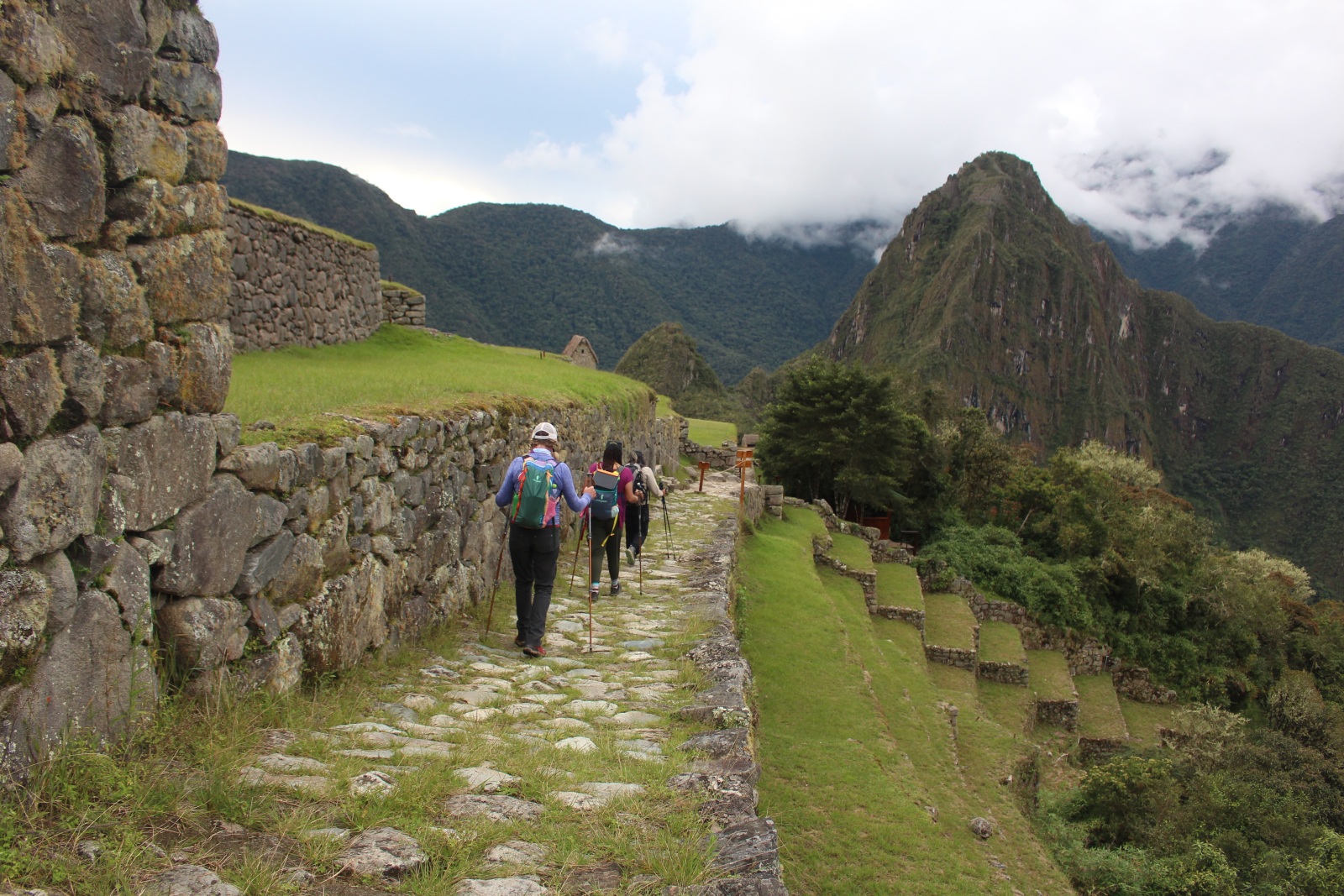
The Inca Trail Permit fee is $25. The Classic Inca Trail Permit is charged by the Peruvian government and is handled through the licensed tour operator rather than paid directly by hikers. The official Inca Trail Permit Fee costs about $25 for foreign hikers. The Peruvian government sets the price, and licensed tour operators manage the purchase on behalf of travelers rather than allowing direct individual payment. The official Inca Trail Permit Fee costs less for Peruvian nationals. Local citizens and residents pay a reduced government rate, which is lower than the foreign visitor fee and is subject to national identification requirements. The permit supply sells out months in advance. Daily access is capped at 500 permits per day (guides and porters), which leaves a limited number available for hikers and creates high competition for popular dates. Seasonal demand affects availability rather than price. Peak hiking months (May to September) sell out fastest, while the trail closes every February for maintenance, making advance planning essential.
How Much Does Gear Equipment Cost for the Inca Trail Tour?
The gear equipment cost for an Inca Trail tour is $20 to $60. Rental expenses depend on which items a hiker already owns, with travelers choosing to rent only cold-weather and sleeping gear rather than purchasing new equipment for a single trek. Sleeping bag rental costs about $15 to $25 for the full trek. High-altitude-rated sleeping bags are rented in Cusco because nighttime temperatures drop significantly along the trail. Trekking pole rental costs about $10 to $15 for the duration of the hike. Poles help reduce knee strain on steep descents and are available through tour operators and rental shops. Inflatable sleeping pads or air mattresses cost about $15 to $25 as an optional comfort upgrade. Thicker padding improves sleep quality and insulation at high elevations. Daypack rental costs about $10 to $15 for the trek. Tour operators include a basic backpack, but rentals remain available for hikers who prefer a specific size or design. Personal hiking gear increases total costs if purchased rather than rented. Hiking boots, waterproof jackets, and layered clothing cost $80 to $200 or more when bought, which makes renting selected items the more cost-effective option for hikers.
What Additional Costs to Budget for Camino Inca?
The additional costs to budget for Camino Inca are $150 to $400 on top of the base trek price. The total varies depending on personal needs, comfort preferences, and preparedness for hiking the Camino Inka under high-altitude conditions. Hidden and unexpected expenses add to the Camino Inca budget. Cash is needed for tips, extra snacks, bottled drinks, souvenirs, and unplanned hotel nights, and the Camino del Inca route offers limited access to ATMs once the trek begins. Gear rental fees are an added cost. Sleeping bag rental $15–$25, trekking poles $10–$15, air mattresses $15–$25, and backpacks $10–$15 are frequently rented in Cusco, especially by travelers booking Inca Trail holidays who do not own cold-weather or trekking-specific equipment. Insurance and medical expenses require separate budgeting. Travel insurance with high-altitude trekking and evacuation coverage ranges from $30 to $80, while medications, oxygen support, or emergency treatment generate additional out-of-pocket costs if coverage proves insufficient. Transportation and accommodation outside the itinerary increase overall spending. Extra hotel nights, transport upgrades, and meals before or after the trek add incremental costs that are not included in standard Camino Inca arrangements.
How Much Money Should You Bring During the Inca Trail?
You should bring $150 to $300 during the Inca Trail. Cash covers expenses not included in the trek price and remains essential because ATMs and card payments are unavailable once the hike begins. Daily spending during the trek averages $20 to $40. Small purchases include extra snacks, bottled drinks, toilet access at checkpoints, and minor personal needs, all of which support basic comfort alongside items listed in an Inca Trail Packing List. Most purchases during the trek relate to tips and small conveniences. Tips for guides, porters, and cooks often range from $50 to $100 per hiker in total, while souvenirs and refreshments in Aguas Calientes after the hike require additional cash. Emergency funds increase financial safety on the trail. Extra cash allows coverage for unexpected medical needs, last-minute gear rental, transport changes, or additional accommodation in case of delays or health issues.
How to Plan an Inca Trail Budget Effectively?
To plan the Inca Trail Budget Effectively, follow the six steps listed below.
- Set a Realistic Total Budget. Start with a total budget range of $800 to $1,300, covering the trek, permits, gear, tips, and contingency funds.
- Confirm the Base Trek Price. Verify what the listed price includes (permits, guides, porters, meals, camping equipment, Machu Picchu entry, transport). Avoid assumptions by requesting a full inclusion list.
- Add Mandatory Pre-Trek Costs. Include travel insurance, gear rentals, hotel nights before and after the trek, and transportation to Cusco.
- Estimate On-Trail Cash Expenses. Budget for tips, snacks, drinks, toilet fees, charging access, and small purchases during the hike.
- Plan for Hidden and Unexpected Costs. Set aside emergency funds for medical needs, weather-related gear, schedule changes, or accommodation extensions.
- Choose the Right Payment Strategy. Plan payment timing to avoid last-minute fees, permit scarcity surcharges, and currency conversion costs.
Which Payment Methods are Accepted for the Inca Trail?
Payment Methods accepted for the Inca Trail are listed below.
- Credit Cards (Visa / MasterCard): Use credit cards to pay deposits and balances to licensed tour operators. Expect possible processing fees and limited acceptance outside Cusco.
- Bank Transfers (International or Local): Use bank transfers for advance payments when requested by operators. Confirm transfer timelines and receipt before finalizing travel plans.
- Cash (USD or Peruvian Soles): Carry cash for tips, small purchases, toilets, snacks, and emergencies. Cash remains essential during the hike.
- Debit Cards (ATM Withdrawals): Use debit cards to withdraw cash in Cusco before departure. Do not rely on debit cards for payments on the trail.
- Online Payment Platforms: Use online checkout options when offered by operators. Verify fees, currency conversion, and payment confirmation.



0 Comments